Lessons in Courage and Care from Minneapolis
By Ellie Simpson, Communications Associate at the Episcopal Diocese of California
Last week, Ellie along with her spouse answered the call to go to Minneapolis at the invitation of MARCH (Multi-faith Action for Racial Justice and Healing), a national network of faith-based organizers. The group traveled to bear witness and offer support to local communities responding to heightened immigration activity in the region. While she was there, the fatal shooting of Alex Pretti by federal agents intensified the city’s already raw emotions following the earlier shooting death of Renée Nicole Good. This reflection offers what Ellie witnessed in Minneapolis and what she is carrying back to our diocesan community and beyond.
When I accepted the call to Minneapolis, I believed I was prepared. I read reports of ICE snatching people off the streets and of growing fear in Minneapolis communities. I set up a call network in case I was detained. I brought gear in case of tear gas. I packed clothing for intense cold. I did what I could to get ready.
But I was not prepared for the heartbreak of being there in person. I was not ready for the depth of suffering I encountered.
I also did not expect the beautiful ways people are caring for one another, or how much I would learn about what works in the face of fear and oppression.
I want to share a few experiences from my time there, along with what I am bringing back for our diocesan community and others who want to help.
Bearing Witness
I personally saw vehicles identified by local organizers as federal vehicles driving recklessly through city streets. I watched them run red lights and stop signs and create dangerous conditions for pedestrians and other drivers. Community members described additional traffic incidents connected to this activity. They say this has contributed to a climate of fear and instability in daily life.
During a neighborhood watch shift, I saw what appeared to be a child’s laptop left in the snow. I did not know who it belonged to, but the image stayed with me as a sign of how ordinary routines have been disrupted.
I heard a parent describe removing their children from school and beginning to homeschool them to keep them safe. Within a week, they learned that teachers from that school had been detained. Decisions that once felt unthinkable are now part of daily life for families trying to protect their children.
Community organizers told me they believe federal agencies are attempting to identify and intimidate volunteers involved in neighborhood protection efforts. In response, neighbors continue adapting how they communicate, move through the city, and watch out for one another.
A Native community member shared that people from their tribe have been detained and held in a facility built on land where a detention center for Native people once stood. This reminded us that current detention systems rest on long histories of oppression of Native, Black, and brown bodies in this country.
A neighborhood organizer shared that their community watch team has changed tactics repeatedly in recent months to keep pace with evolving conditions.
A religious leader shared that lack of safe access to medical care has become a growing concern, and that some community members are now seeking medical care quietly outside formal systems.
While I was inside a community facility, staff temporarily restricted entry and exit for safety because of nearby federal activity. Many churches and gathering spaces now keep doors locked and rely on volunteers to control entry in order to protect those inside.
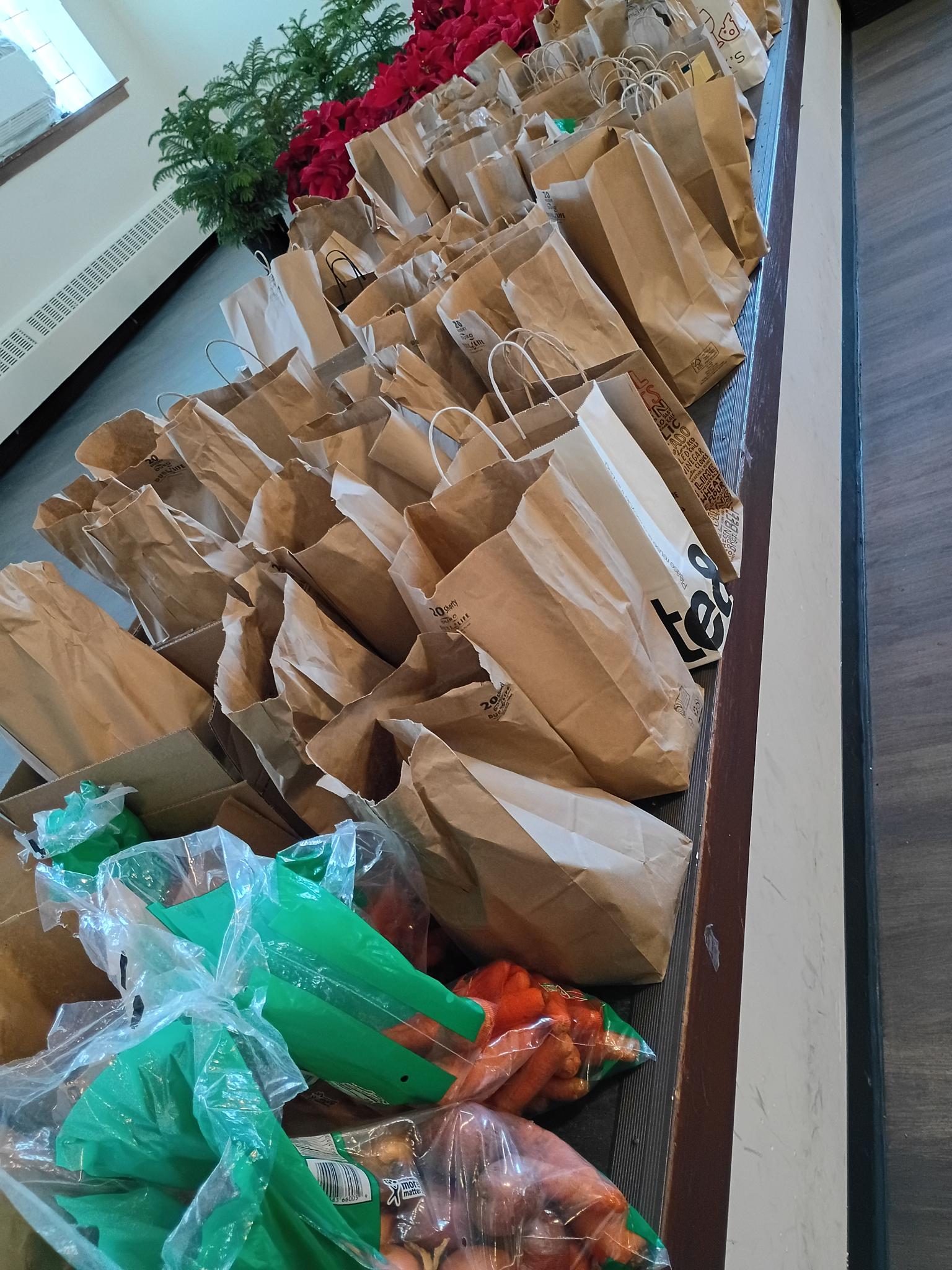
Groceries to be given to those in need
During my time with neighborhood watch teams, I was instructed to move in groups of at least two and preferably three people, so there would always be someone to witness and document if something happened. I followed this protocol as well.
Organizers described growing attempts to disrupt community food-delivery networks serving people afraid to leave their homes. In response, neighborhoods continue building systems of communication and mutual support.
In the midst of all this, I saw intense grief and trauma. Many people were easily overstimulated. We needed gentleness when offering assistance. The need for pastoral care is great, and one reason MARCH invited outside participants was because many people who are trying to help in Minneapolis are exhausted and in need of care themselves.
Care in the Midst of Fear
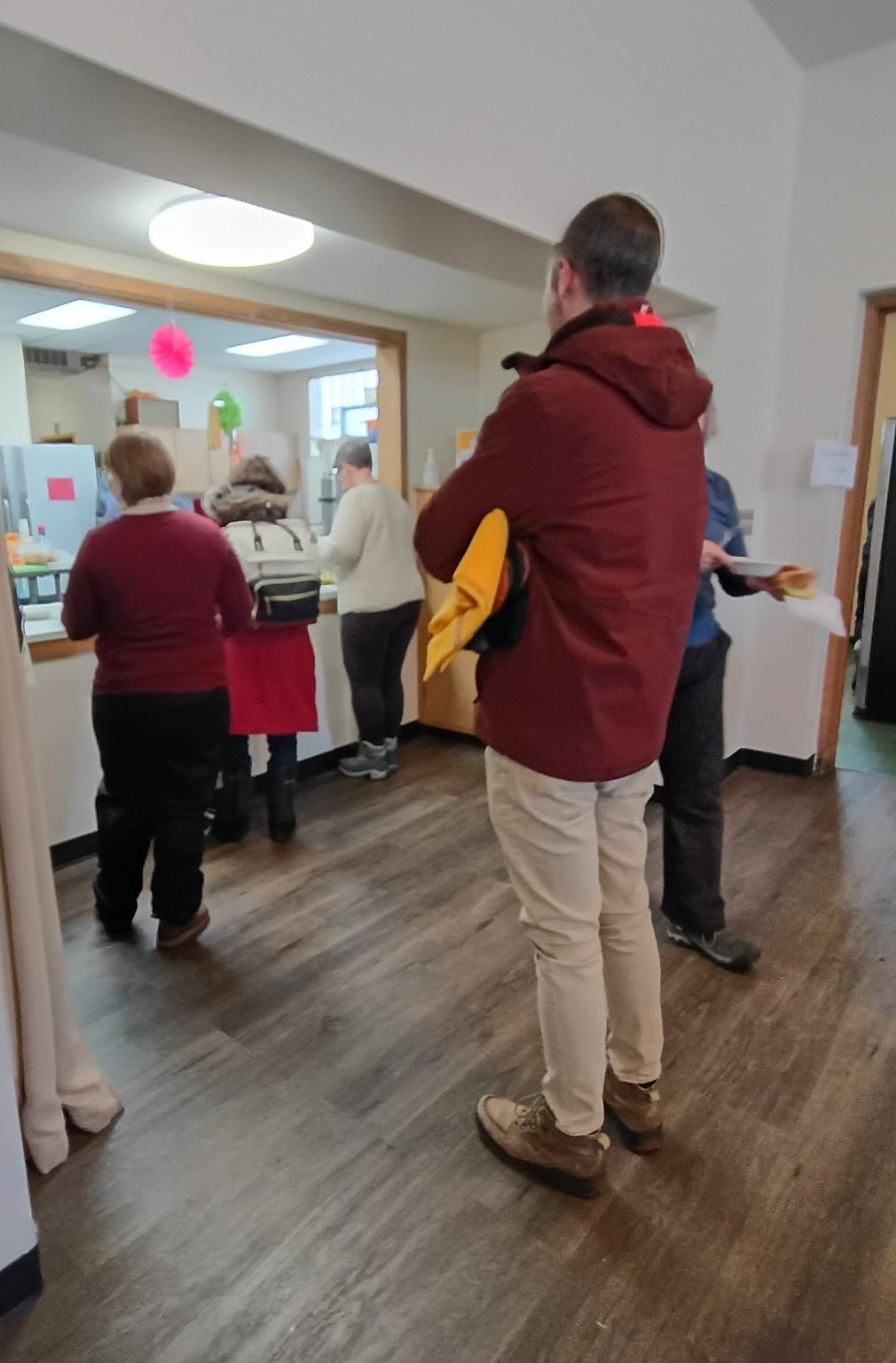
Hot soup being served to us by neighbors.
And still, what I experienced most was care. I am deeply grateful for the people of Minneapolis who cared for their neighbors and cared for me while I was there.
One evening, several faith communities volunteered to host MARCH participants for dinner. Each location prepared warm food without knowing how many people might arrive. We sat around circular tables, eating pasta and sauce that soaked through our paper plates, and shared stories of the day into the evening.
Another day, when we arrived at a community space, neighbors who learned we were there came quietly into the kitchen and began making soup. Before long, they were handing us steaming bowls. No questions. Just care.
Neighborhood groups and faith communities shared that they have rapidly expanded food delivery for residents who cannot safely leave their homes. I witnessed one such space with packed bags ready for volunteers to deliver.
I attended a neighborhood vigil for Alex Pretti. People brought candles, hot chocolate, and snacks for neighbors. Someone handed me a candle to hold. I watched neighbors gather, share warm drinks, and create a small memorial. At the end, everyone said, “Love you, neighbor.” Afterward, people stayed, talked, and shared warm drinks with those they had previously only known through underground networks.
These are people who continue to care for one another even while running low on resources themselves.
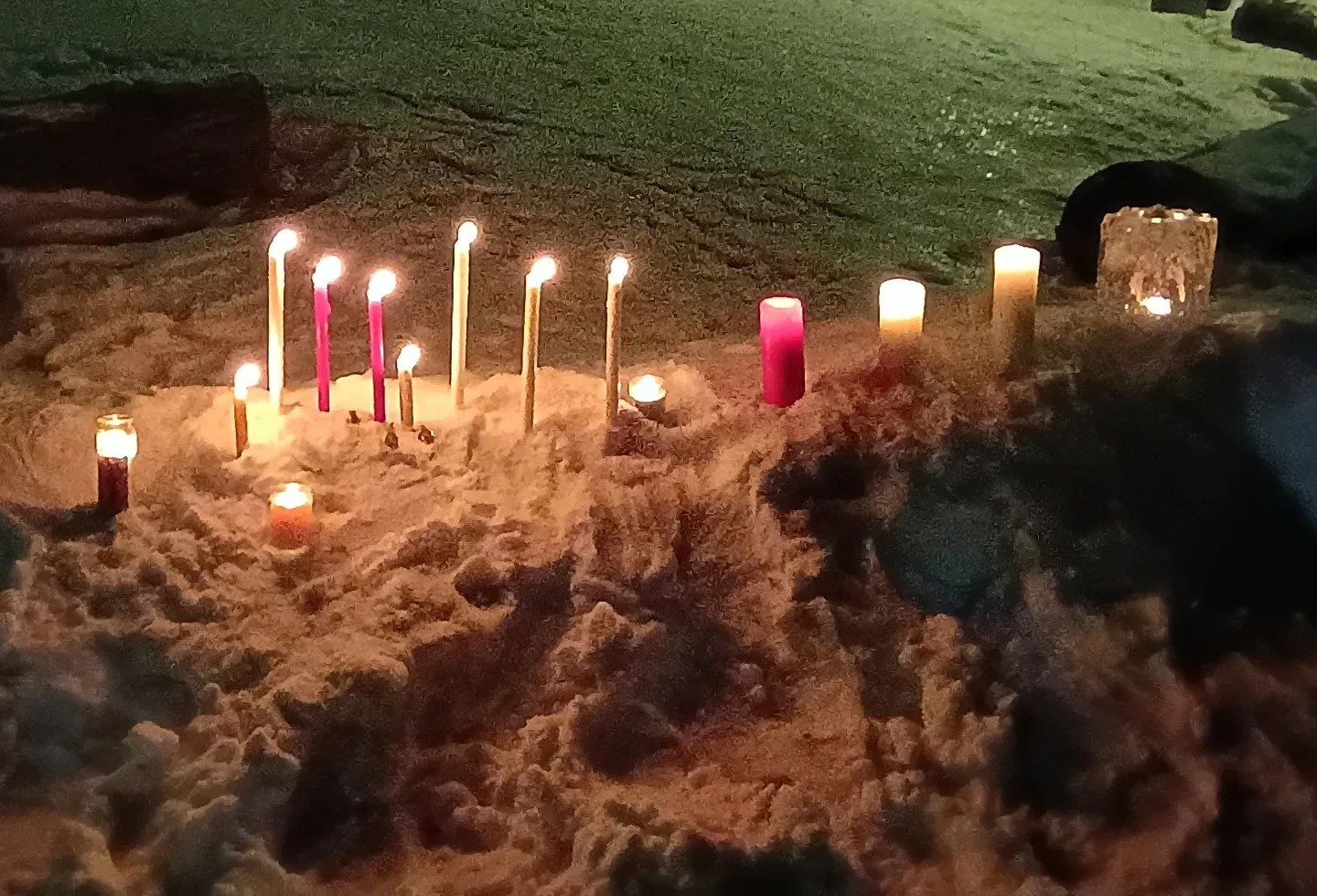
Candles left in a snow bank by those who attended a neighborhood vigil for Alex Pretti on Saturday evening, January 24.
What I Return With
I believe we can learn many lessons from the work unfolding in Minnesota.
Thousands of residents participate in local initiatives for community watch, documentation, food delivery, medical accompaniment, healing gatherings, art and music projects, and mutual aid. Every person I spoke with was doing something to protect their neighbors. Every neighborhood now has communication channels that enable communities to respond quickly and care for one another.
While I was there, we practiced flexibility. We often did not know until shortly beforehand where or how we would be asked to support people. On the day of Alex Pretti’s death, organizers asked those who could to stay longer to provide support to grieving communities. The next day, we joined community protection efforts around a religious site to help ensure it remained a space of sanctuary.

Coats supplied by the people of Minneapolis for MARCH attendees unprepared for the cold.
We had to trust the people on the ground to share what was necessary. Sometimes I felt in the dark. This showed me how much we need to build relationships and networks of trust now, because we are going to need them.
Community leaders asked us to carry what we learned beyond Minnesota. They are calling for accountability, safety, and sustained grassroots organizing. They urged faith communities elsewhere to begin building networks of care and mutual protection now, before crisis arrives at our own doorsteps.
This experience changed me.
I now feel a renewed desire to share and equip others to stand up as the people of Minnesota are doing. I come away knowing it is past time for us to stand up, especially as the church. Silence is no longer an option. Words are not enough. Action is required.
I am choosing ways to participate in my own neighborhood, my church, and my workplace. I remind you that you can do this too. We need to build care and resistance in the places where we hold influence, our neighborhoods, church communities, and workplaces.
In taking action, we must remain people of tenderness and hope, rooted in love of God and neighbor, shining light in darkness, and seeking justice for the widow, the orphan, and the migrant among us.
If you would like to hear more about specific actions or talk with me, please reach out to [email protected].
Safety note
For safety reasons, I have not shared names of people or specific locations. Some individuals involved in this work have experienced online and in-person targeting, and discretion remains important.
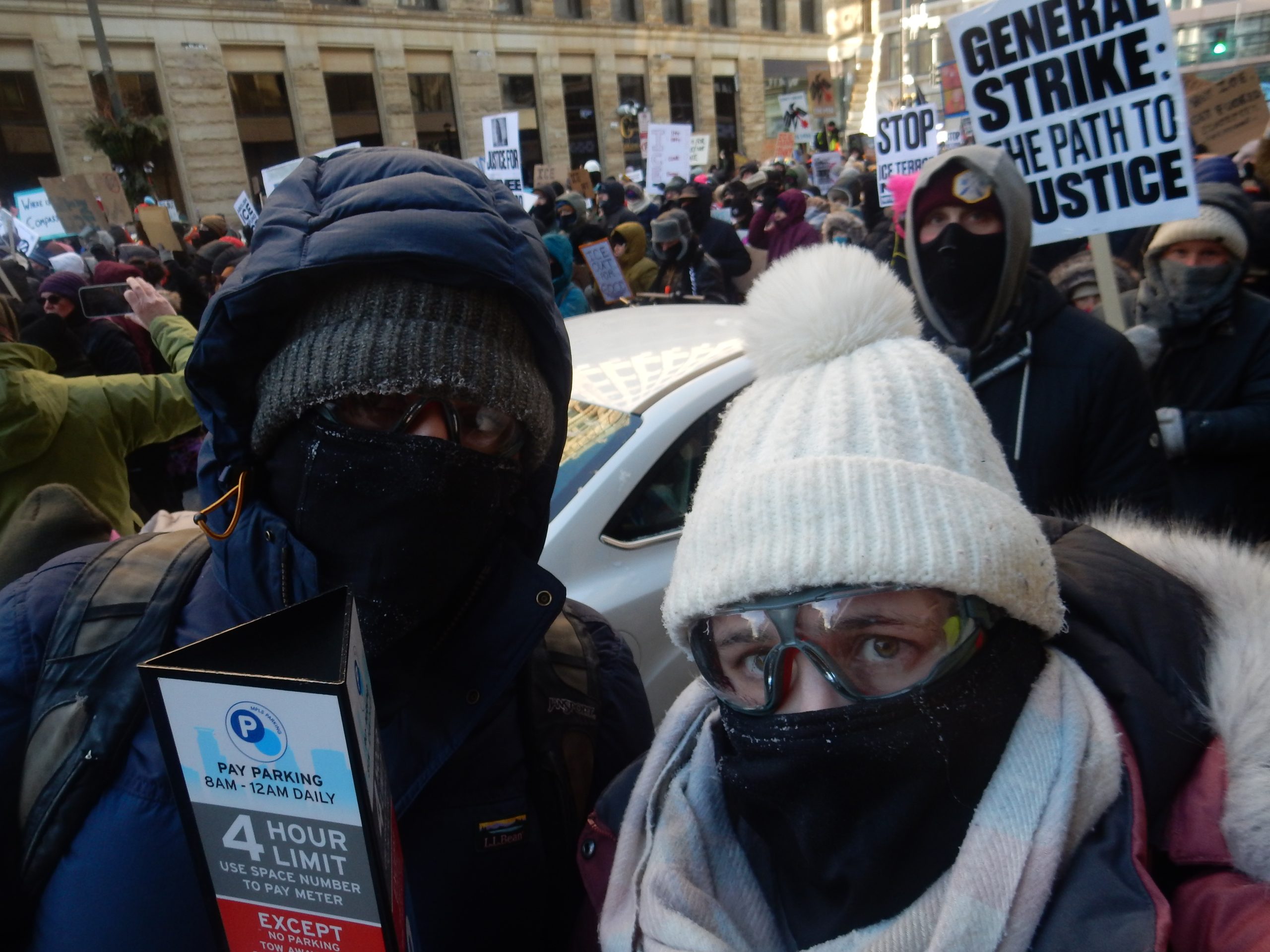
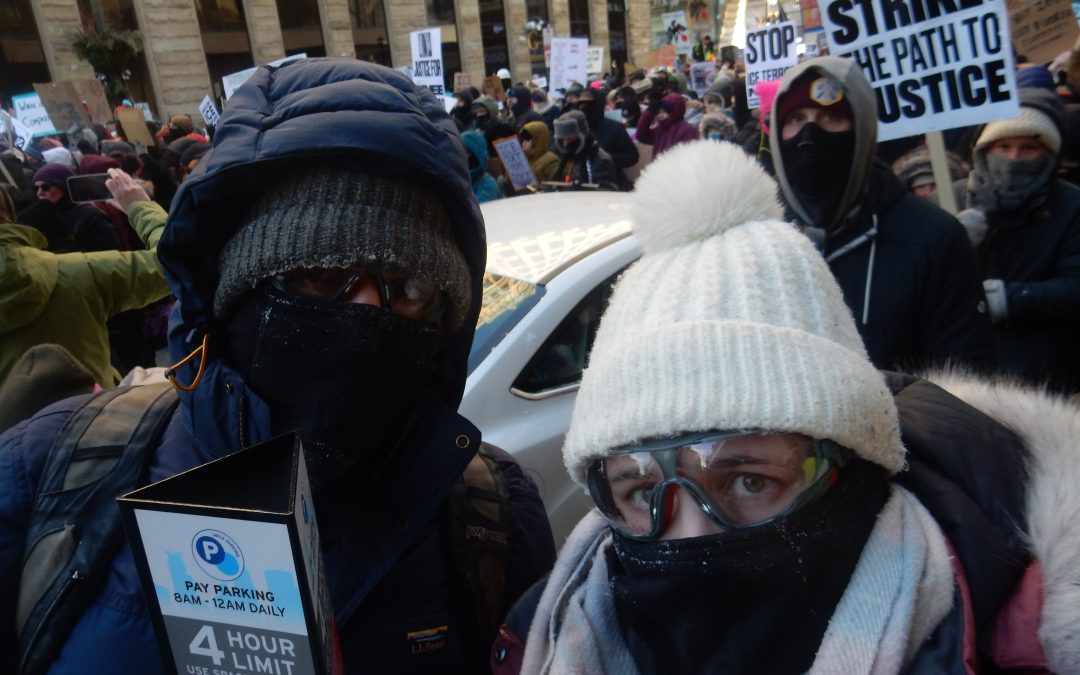
Josh and Ellie at the March for Truth and Freedom on Friday, January 23.

The crowd of protesters at the March for Truth and Freedom on Friday, January 23 was immense. We saw people walking from over a mile away to join the group.
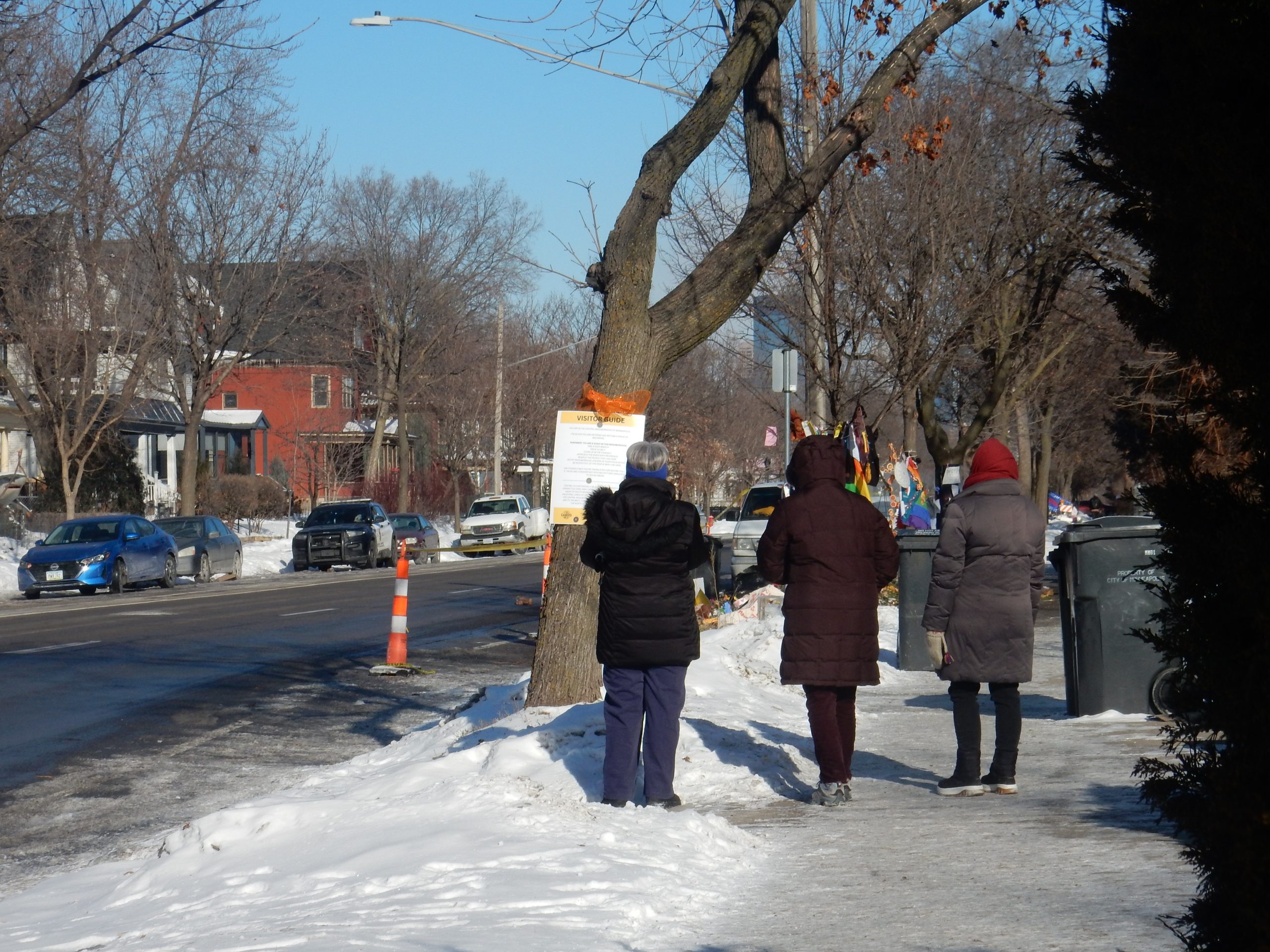
Entrance to the memorial for Renee Good. The sign asks you not to take photos. We watched someone incense the space while there. The tears welled up and froze to my cheeks.
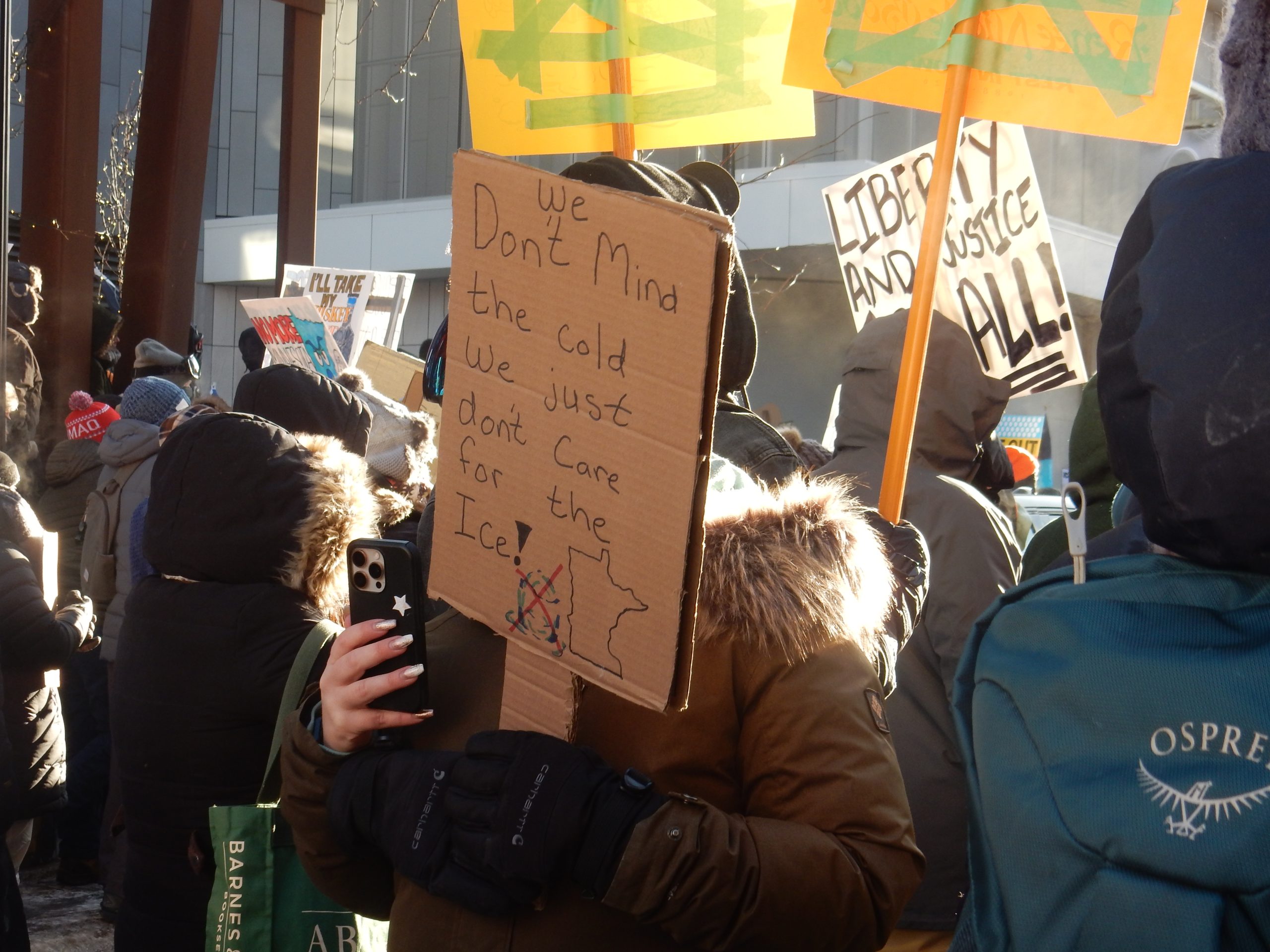
Protester at the March for Truth and Freedom on Friday, January 23.
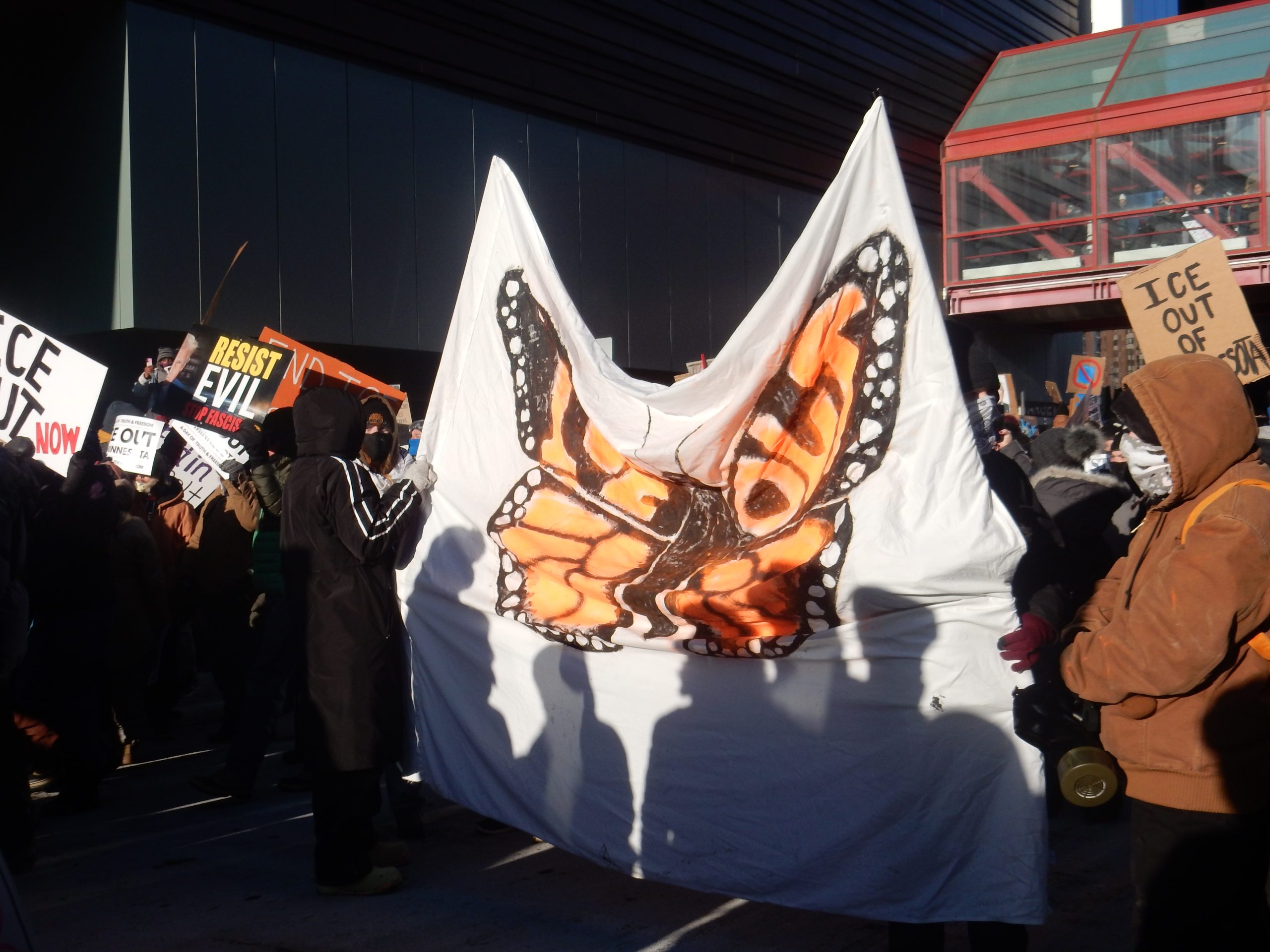
Large Monarch Butterfly, a sign of resilience and hope often spotted around the city, seen at the March for Truth and Freedom on Friday, January 23.
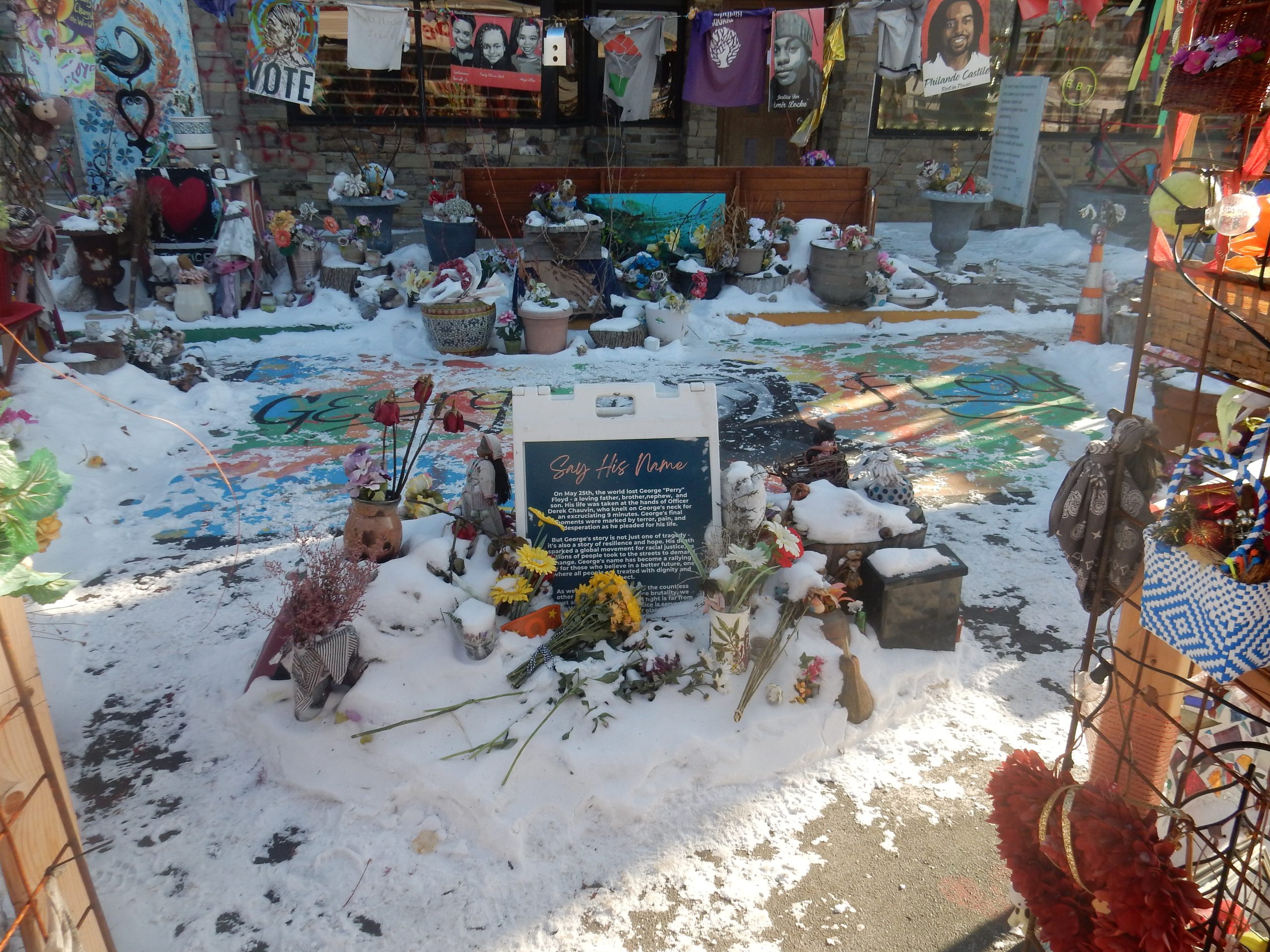
Part of the memorial for George Floyd, which we visited Saturday morning, January 24, before hearing about Alex being shot.
Note: the George Floyd, Renee Good, and Alex Pretti memorials are all within 20 blocks of each other. You could easily walk between them on a nice day.