
Story and photos submitted by Nicole Walters
This June, the Beloved Community of St. Columba’s Inverness gathered to celebrate the Feast of St. Columba while also marking two significant milestones in its history: the 95th anniversary of becoming a mission congregation in 1931 and the 75th anniversary of the first worship service in its current home on June 3, 1951. While these anniversaries offered cause for celebration, they also invited reflection on a story that began even earlier, with the purchase of property on Cameron Street in 1903 and the emergence of a small worshiping community that would eventually become St. Columba’s.
Following worship, community members shared a picnic meal, explored a historical timeline, viewed photographs from the archives, and learned stories preserved through decades of parish records and oral history. The celebration offered an opportunity not only to remember the past but also to reflect on the continuing life of a community whose roots run deep into the landscape of West Marin.
The occasion was particularly fitting given the church’s namesake. St. Columba, or Colum Cille, was born in Donegal around the year 521 and is remembered as one of Ireland’s three patron saints. Founder of monastic communities in Derry and on the island of Iona, Columba helped establish centers of prayer, hospitality, learning, and mission that shaped Celtic Christianity for generations. In 2021, Christians around the world commemorated the 1500th anniversary of his birth.
Among the enduring gifts of the Celtic tradition is its understanding that God is encountered not only in sacred spaces but through the particular places where people live, pray, and belong. Land, memory, and community become intertwined. The stories of those who came before are not simply historical records; they become part of a living spiritual inheritance.
That vision resonates deeply at St. Columba’s.
Many of the historical materials featured in the celebration were gathered by historian, librarian, and archivist Meg Linden, along with a small team of volunteers who continue to organize, preserve, and explore the church’s archives. Their ongoing work has helped bring to light stories, photographs, records, and memories that connect today’s community with generations past. Their work reveals a story not merely of buildings and dates, but of people whose faith found expression through craftsmanship, generosity, hospitality, and care for place.
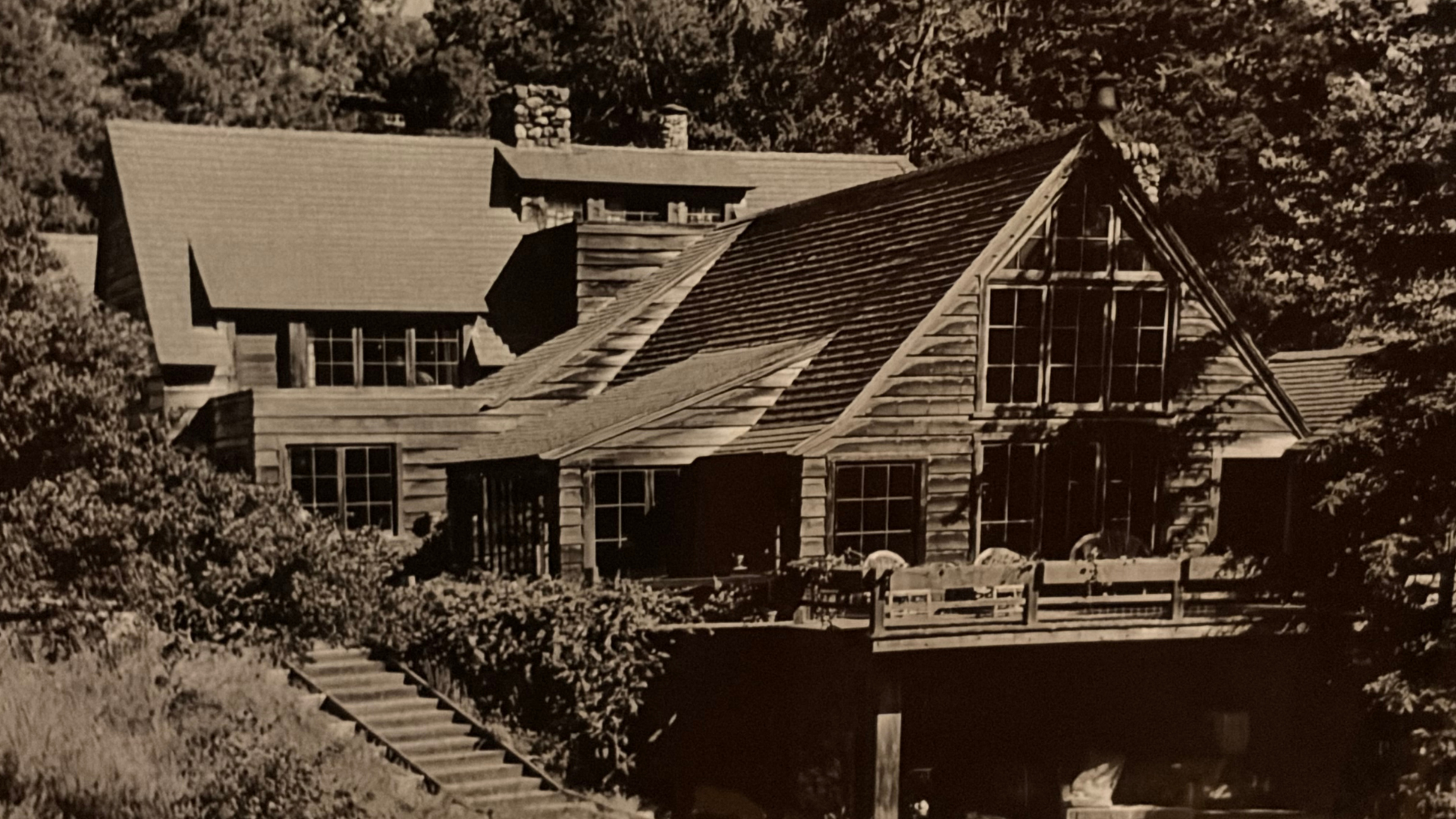
Long before it became a church, the property was the summer home of the Frick family. The house itself, completed in 1930 and built of old-growth redwood, originally sat on eight acres overlooking Tomales Bay. Family accounts suggest that the home’s owner envisioned it as a place where his daughters could be married, and indeed, the first wedding took place there in March 1930. Eventually, all three daughters were married in the house.
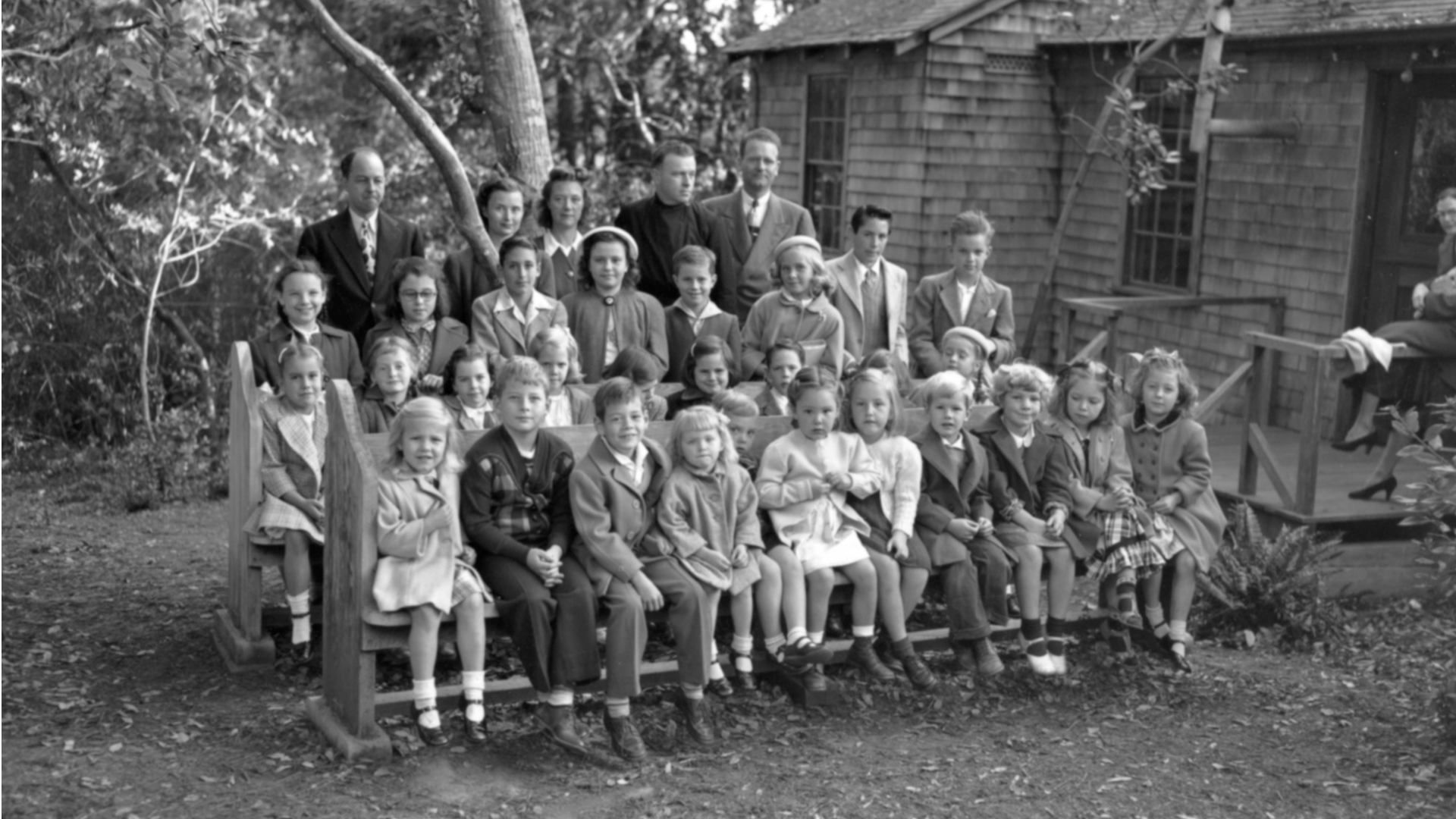
When the congregation outgrew its original church building on nearby Cameron Street, leaders began exploring possibilities for the future. The earlier church had faithfully served the community for decades. Summer services were sometimes held outdoors beneath the trees, and the modest building became increasingly crowded as the congregation grew.
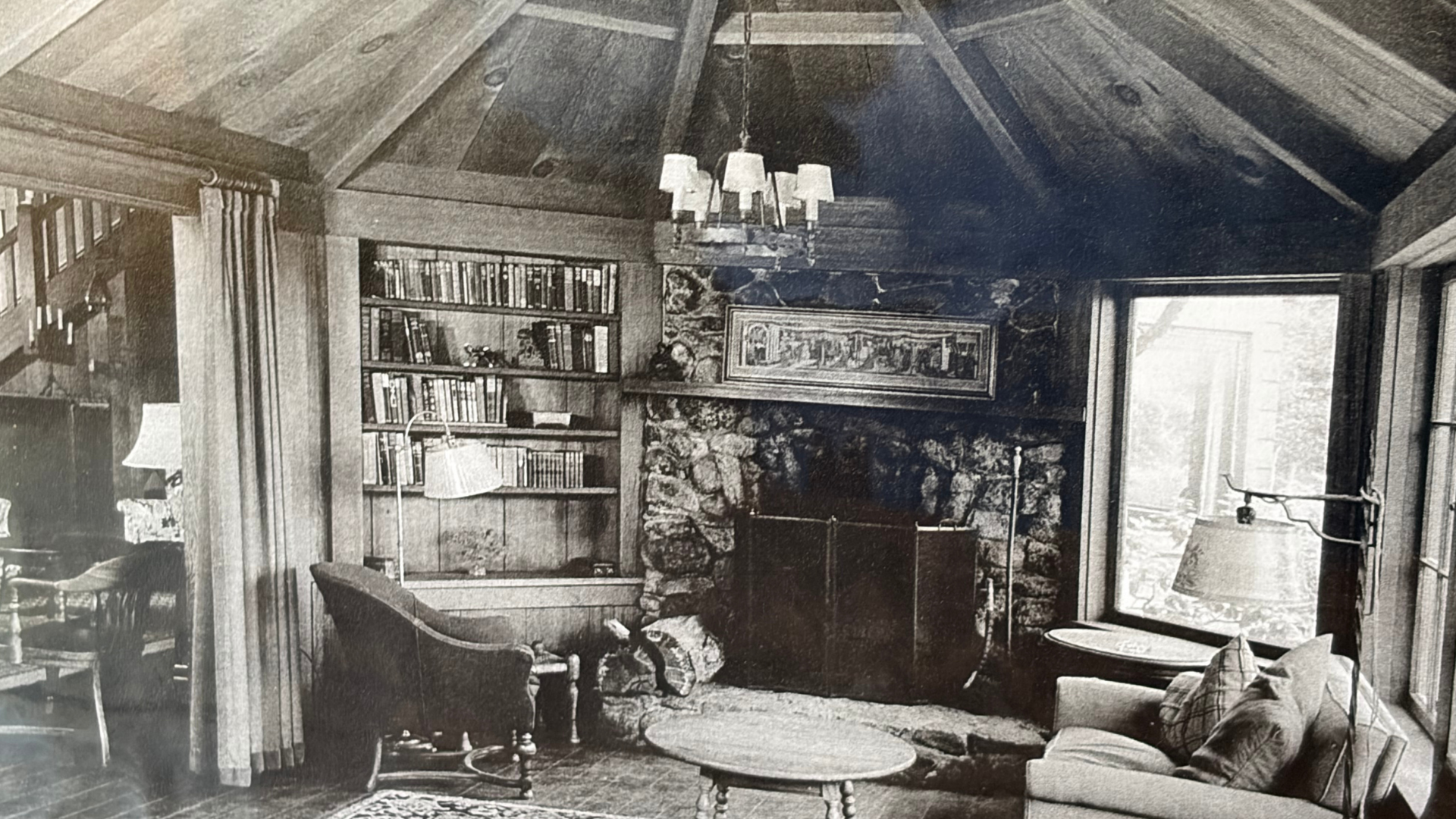
After extensive negotiations, the church purchased the Frick family home and transformed it into a new center for worship. The first service in the building was held on June 3, 1951. For a period of time, the building functioned both as a church and as a residence for clergy and their families. Over the years, porches were enclosed, rooms adapted, and the home gradually evolved into the sacred space known today.
Yet perhaps the most remarkable aspect of St. Columba’s history is the extent to which the campus was shaped by the hands and imagination of its own members.
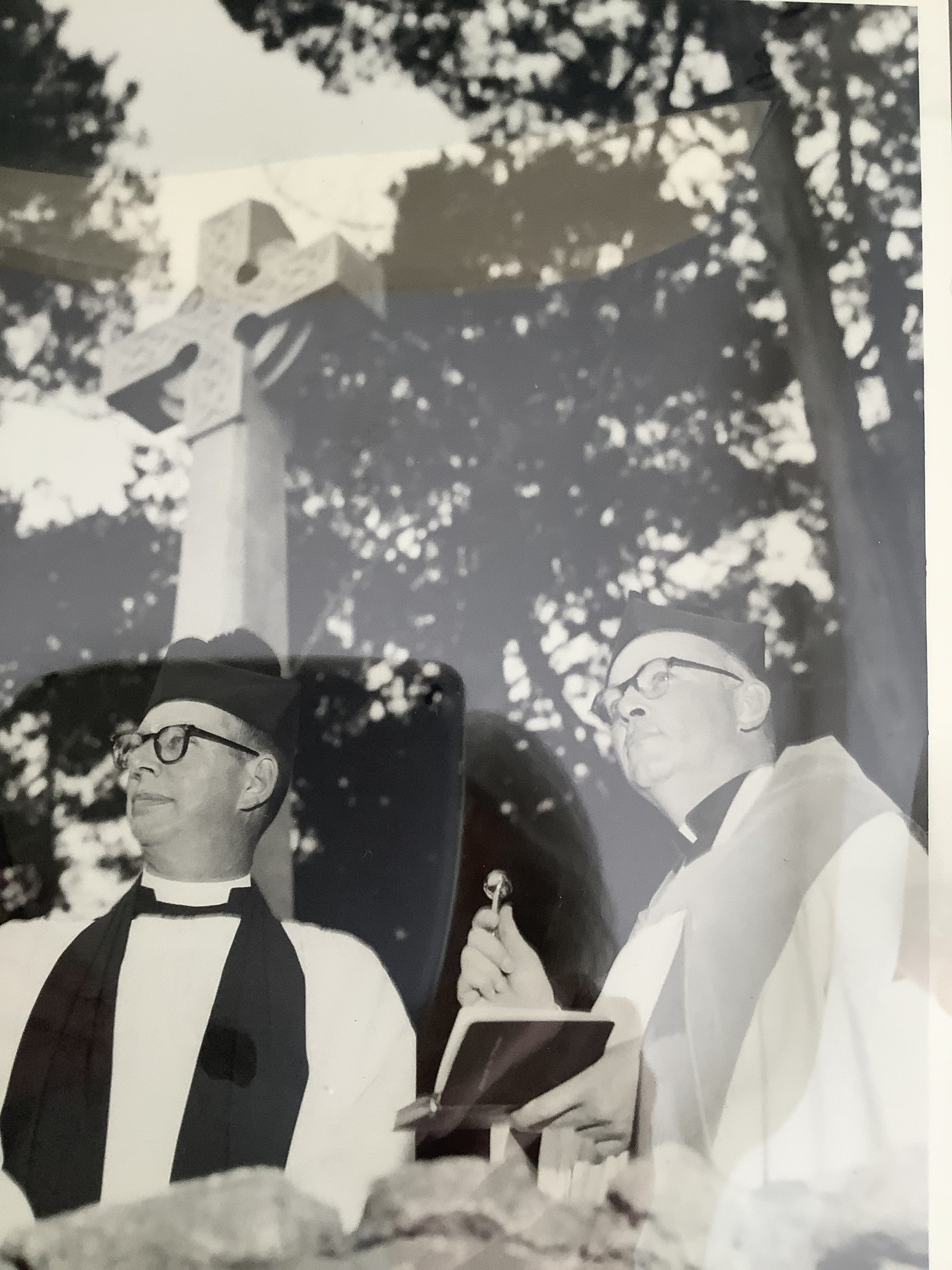
The iconic Celtic cross overlooking the property began as an idea approved in the early 1950s but delayed by lack of funding. A model was created, a donor from the Crocker family provided support, and the cross was poured on site in 1957. A local craftsman, Joe Gomes, later built its base and created the stone baptismal font as a memorial to his first wife.
Throughout the campus, similar stories emerge. Members designed and built structures, donated materials, created artwork, and offered countless volunteer hours. Church members built the casitas which line the meditation path. Local historian and longtime church leader Jack Mason helped design the amphitheater, completed in 1966 to house the Inverness Music Festival. The bell tower, pathways, chapel furnishings, and memorial gifts throughout the grounds all bear witness to generations who invested their gifts in this sacred place.
Today, that same spirit continues.
The old-growth redwood home has become far more than a former summer home. It now serves as a church, retreat house, library, and contemplative center overlooking Tomales Bay. While the buildings and grounds tell stories of earlier generations, they also bear witness to a remarkable chapter of renewal unfolding in the present.
When Fr. Vincent Pizzuto began his ministry at St. Columba’s in 2017, he brought a vision rooted in contemplative Christianity, hospitality, theological depth, and spiritual formation. Drawing upon his pastoral ministry and academic work in Christian mysticism and New Testament studies, he invited the community to imagine St. Columba’s not only as a local church, but also as a place where people could encounter God through prayer, study, beauty, silence, and community.
The vision resonated with those who arrived seeking a deeper spiritual life, and together they began shaping a renewed expression of community. Congregants, retreatants, volunteers, staff, clergy, and friends of St. Columba’s invested their gifts, time, creativity, and labor into bringing that vision to life. Retreat ministries expanded, the library grew, contemplative practice became woven into the rhythm of community life, and hospitality emerged as a defining hallmark of the church’s identity.
What was once a small congregation has become a vibrant Beloved Community drawing people from throughout the Bay Area and beyond into worship, spiritual formation, retreats, and contemplative practice.
The celebration of St. Columba’s Day served as a reminder that the story of St. Columba’s is still being written. The prayers, labor, creativity, and devotion of previous generations continue to shape the present, visible in the old redwoods, the Celtic cross overlooking Tomales Bay, the bell tower, the library, and the many spaces where people gather for worship, learning, and fellowship.
That living legacy can be seen in the flourishing ministries of the community today. The St. Columba’s Music Series welcomes artists and audiences from across the region. The outdoor amphitheater serves both the church and wider community through events such as Summer Shakespeare and other cultural gatherings. The Iona Lecture Series brings leading voices in theology, spirituality, and social engagement into conversation with contemporary concerns, while Beacon of Light events celebrate stories of hope, creativity, and service throughout Marin and beyond.
This October, St. Columba’s will mark another significant milestone as it is restored to parish status. The occasion reflects not only institutional growth but the vitality of a Beloved Community that has embraced a shared vision of contemplative Christianity, hospitality, and spiritual formation. The vision of building an inclusive contemplative community, incarnating the Mystical Body of Christ in Word, Sacrament, and spiritual intimacy, continues to flourish in the rich soil of West Marin.
As those gathered for the Feast of St. Columba reflected on the stories of the past, they also celebrated a future filled with possibility. The redwood home that once sheltered a single family now shelters a growing community of prayer, learning, beauty, and belonging. More than ninety-five years after its founding as a mission church, St. Columba’s continues to embody the spirit of its namesake: rooted in place, grounded in prayer, and open to the new work God is still bringing forth.

